If you want to maintain a healthy home environment and avoid costly structural issues, checking for mold in your home insulation is essential. In Whippany, NJ, where humidity levels rise during spring and summer and winter brings heavy snowfall and fluctuating temperatures, your attic and wall insulation face constant moisture challenges. Mold growth in insulation not only impacts indoor air quality but may signal deeper problems, such as roof leaks or siding failures. Checking for mold and addressing its source will protect your health, maintain energy efficiency, and prevent damage to your home.
Why Mold Grows in Insulation
Mold requires three things to thrive: moisture, organic material (like dust), and warmth. In New Jersey, insulation often faces excess moisture due to:
- Roof leaks caused by ice dams or aging shingles.
- Poor attic ventilation, leading to condensation when warm, humid air meets colder surfaces.
- Moisture seeping through siding or gaps around windows during heavy rain.
- Inadequate or missing vapor barriers between your living areas and the attic or walls.
For example, after a particularly wet spring in Whippany, several Acorn Home Improvements, Inc. customers reported a musty odor in their attics. Inspection revealed black and green mold forming on their old fiberglass insulation, which was traced back to minor roof leaks and blocked soffit vents. This shows how quickly mold can develop when conditions allow.
How to Identify Mold in Your Home Insulation
Mold is not always visible and often hides deep within insulation batts, behind vapor barriers, or under attic flooring. However, there are clear signs to look out for:
- Visible discoloration: Look for black, brown, green, or white patches, especially along the surface or at seams.
- Musty or unpleasant odors: A strong, persistent smell in your attic, walls, or crawl spaces is often caused by mold.
- Recent water damage: If your roof, attic, or siding has been in need of repair or replacement, pay close attention, as these are common entry points for moisture.
Inspect all types of insulation, including cellulose, fiberglass batts, and spray foam. Mold may appear as powdery spots or slimy patches and can also saturate the insulation’s interior if the material has absorbed water.
Steps for Safely Checking for Mold
It is vital to inspect insulation safely to avoid health risks and accidental further contamination:
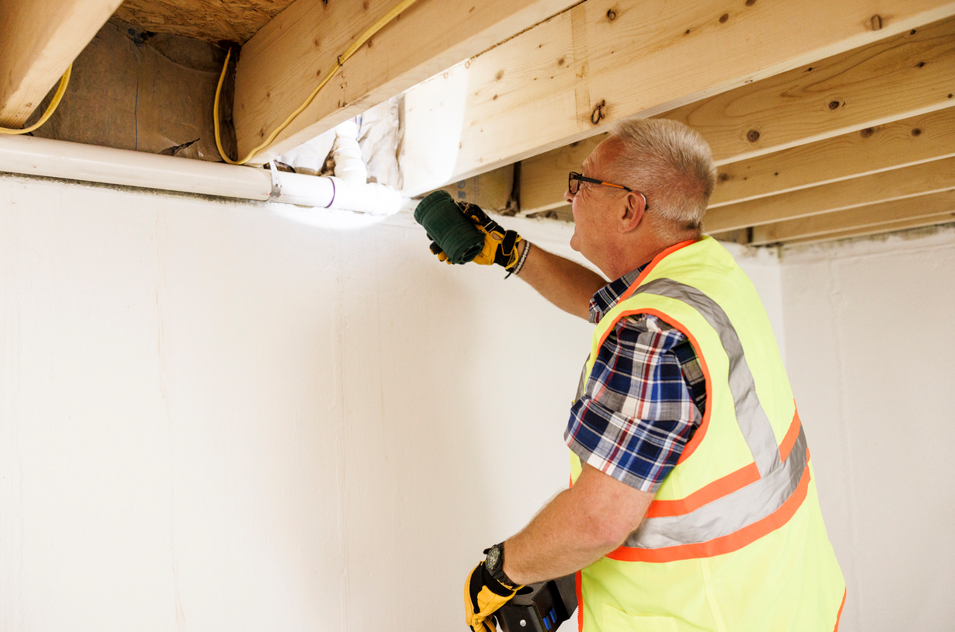
- Wear proper protective gear, including gloves, long-sleeved clothing, an N95 mask, and eye protection.
- Use a flashlight to check dark corners and spaces behind insulation.
- To detect moisture, use a long-probe moisture meter—this helps pinpoint dampness deep within insulation without direct contact.
- Maintain ventilation by opening windows or setting up fans, so mold spores and particulate matter do not accumulate inside.
If you discover mold or suspect contamination due to a recent water leak or roof failure, avoid extensive disruption of the insulation, as this may release more spores.
Why Professional Inspection Matters
Homeowners in Whippany sometimes attempt DIY inspections, but professional help is often needed to fully address the issue. Industry professionals use specialized tools, moisture meters, and can safely remove contaminated insulation while identifying root causes, such as hidden leaks or poor attic ventilation. If mold is substantial, disturbing it may worsen the problem or create health hazards.
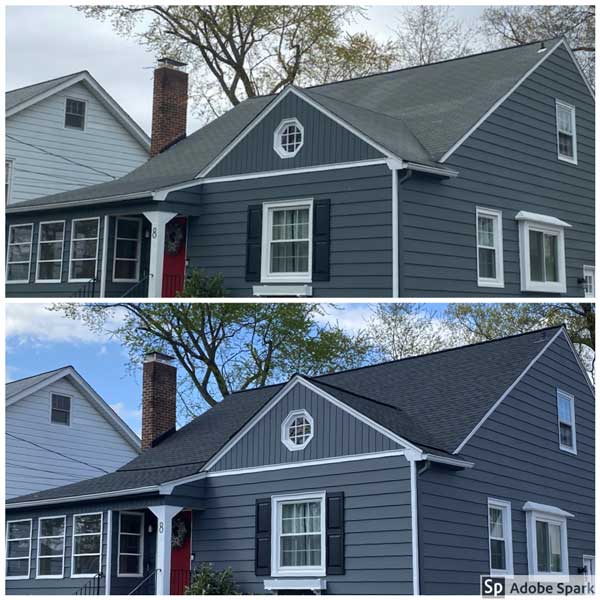
A professional inspection often reveals issues unrelated to insulation itself, such as undetected roof leaks or aging siding that allows moisture and pests inside. In several cases handled by Acorn Home Improvements, Inc., correcting the underlying cause involved both roof replacement and, occasionally, siding installation after removing and replacing contaminated insulation. This comprehensive approach helps ensure your home remains safe, energy-efficient, and free from future mold growth.
When to Check for Mold in Whippany, NJ
Given the local climate, the most critical times to check your insulation are:
- After heavy rainfall or snow.
- During spring thaws when roofs and attics are most susceptible to leaks.
- If you notice a sudden increase in allergy symptoms or respiratory issues within your household.
Annual inspections—ideally before and after significant weather events—will help you catch small problems before they become costly repairs.
Protect Your Home: Get a Professional Mold and Insulation Inspection
If you have concerns about your insulation, notice musty smells, or have experienced recent roof or siding problems, it is time to act. Acorn Home Improvements, Inc. offers comprehensive inspections and solutions for home insulation, roof replacement, and siding installation in Whippany, NJ. Schedule an expert evaluation to protect your family’s health and your home’s value. Give us a call at (973) 386-9604 or fill out our online form to get started.