Choosing the right window replacement is essential to creating a more durable, comfortable, and energy-efficient home. In Whippany, NJ, where winters can be brisk and summers humid, investing in high-performing windows can reduce utility costs, improve comfort, and enhance overall home value. Here are five factors that contribute to energy-efficient replacement windows.
1. High-Quality Frame Materials
The frame of your window plays an important role in its overall thermal performance. Not all materials offer the same level of insulation. For homes in Whippany, popular choices like vinyl, wood, and fiberglass are known for their superior resistance to heat transfer compared to traditional metal frames.
- Vinyl frames contain built-in air cavities that can be filled with additional insulation, minimizing heat loss during chilly winters.
- Fiberglass frames are stable and can also be insulated for even stronger thermal resistance, making them suitable for both new installation and window replacement.
2. Multiple Glazing Layers
Older windows often feature single-pane glass, which can be a significant source of heat loss or gain. Modern replacement windows utilize double or even triple glazing; these insulated glass units (IGUs) dramatically improve a window’s ability to retain warmth in winter and block excessive heat in summer.
- Double glazing consists of two glass panes separated by an air or gas-filled space, creating an effective thermal barrier ideal for Whippany’s variable seasons.
- Triple glazing adds yet another pane and layer of insulation, further reducing energy transfer, which is particularly beneficial during Northeast cold snaps.
3. Low-Emissivity (Low-E) Glass Coatings
Low-E coatings are ultra-thin, nearly invisible metallic layers applied to window glass. These coatings control both thermal radiation and visible light transmission. By reflecting infrared rays, low-E glass helps keep warmth inside during winter and prevents solar heat gain in the summer, contributing to an energy efficient home.
- In climates like Morris County, where both heating and cooling are major concerns, low-E coatings ensure your HVAC system works less, leading to measurable cost savings over time.
4. Inert Gas Fills and Warm Edge Spacers
The space between panes in energy efficient windows is typically filled with inert gases such as argon or krypton. These gases have stronger insulating properties than plain air, reducing heat transfer between interior and exterior surfaces. Additionally, modern windows use warm edge spacers—advanced insulating materials placed around the edge of the glass—to maintain a stable temperature and reduce condensation buildup.
- Argon is affordable and common for most double-pane windows.
- Warm edge spacers enhance durability and moisture resistance throughout seasonal changes.
5. Advanced Window Operation and Sealing
How a window opens and closes is just as important as its materials. Some window styles are simply better at preventing air leakage:
- Casement, awning, and hopper windows naturally press the sashes against the frame when closed, achieving tighter seals and less air infiltration.
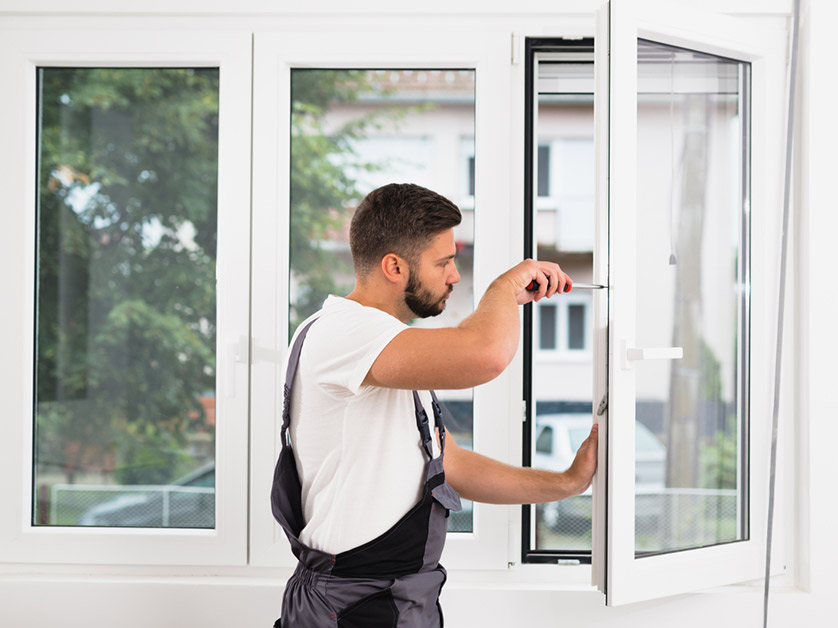
- Quality weatherstripping and professional installation during window replacement are critical for maintaining airtightness and maximizing energy efficiency during both cold and hot weather.
Considering Climate and Energy Ratings
When selecting replacement windows, look for NFRC-labeled products that certify energy performance. Key ratings such as U-factor and Solar Heat Gain Coefficient (SHGC) help you choose windows best suited to Whippany’s changing weather.
Start Your Energy Efficient Window Upgrade with Acorn Home Improvements, Inc.
If you are considering window replacement as part of your exterior renovations, work with a trusted local contractor who understands the climate and building standards specific to Whippany, NJ. Acorn Home Improvements, Inc. brings expertise and experience to every job, helping you select the right window features for a truly energy efficient home. Contact us today at (973) 386-9604 or fill out our online form to schedule a consultation and explore the best options for your property’s comfort and efficiency.