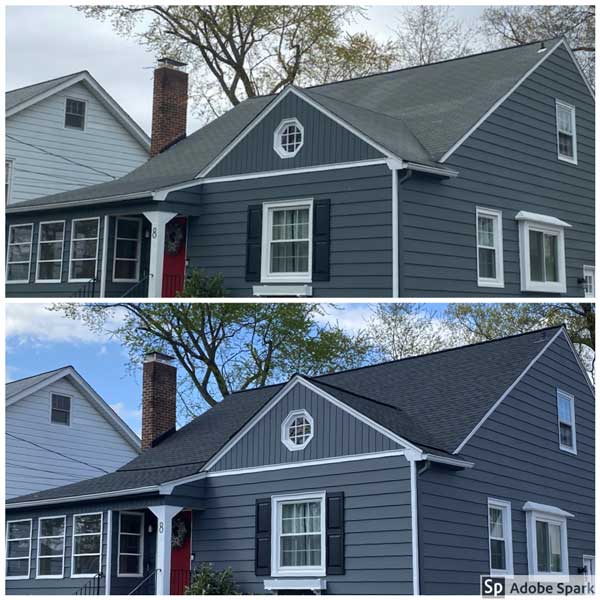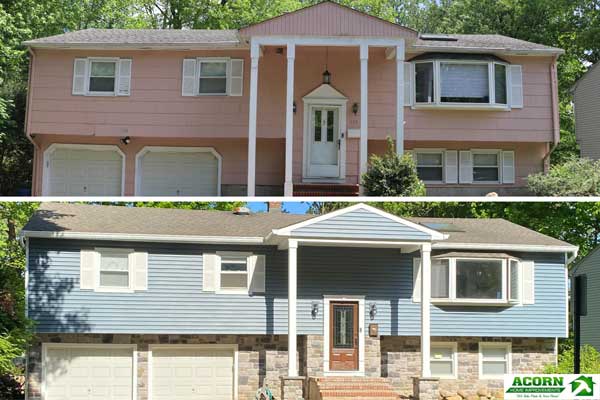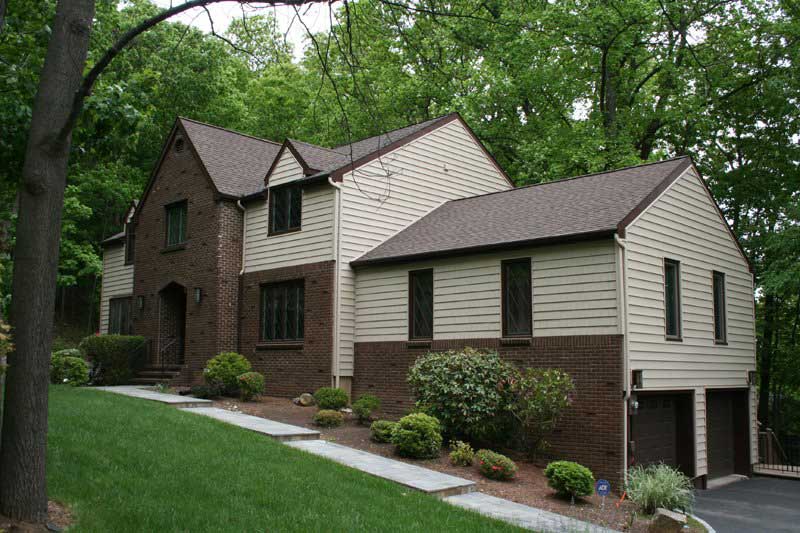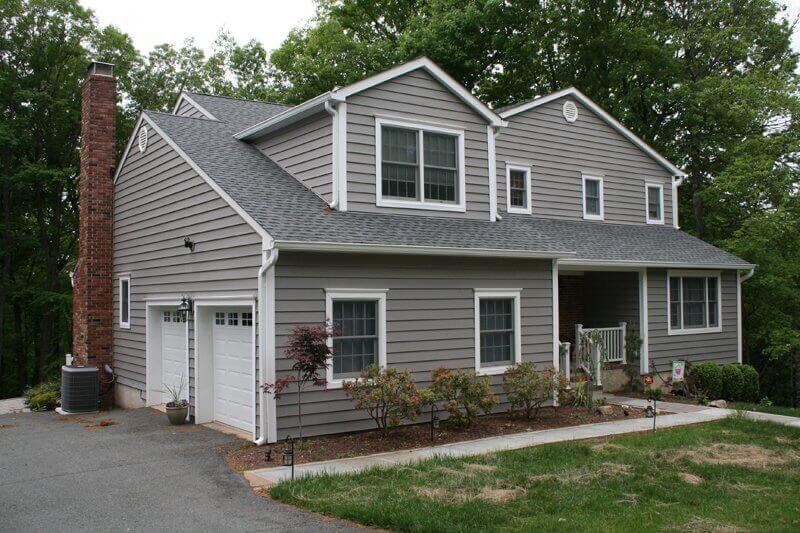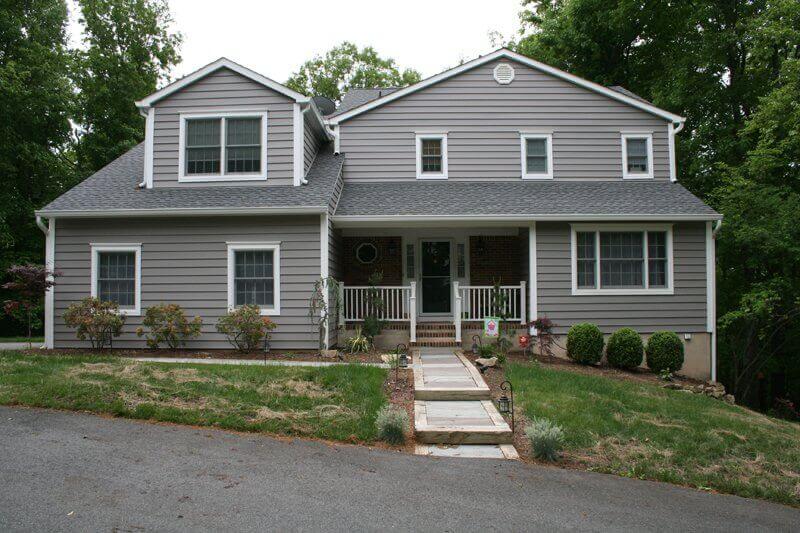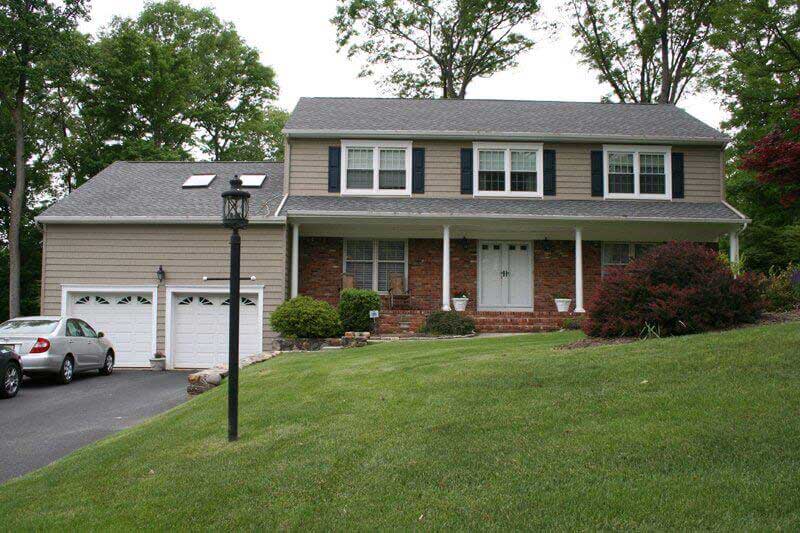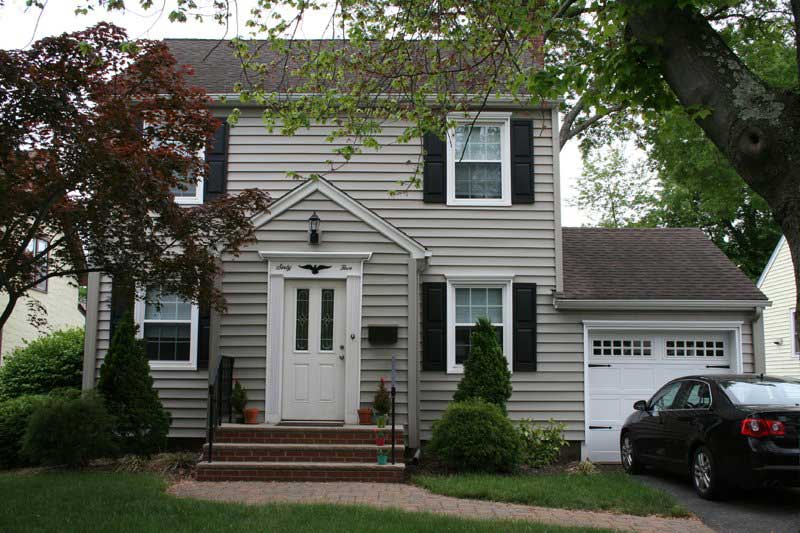

A roofing project is one of the most significant investments you can make to maintain, protect, and enhance the value of your home. In Whippany, NJ, where seasonal weather can bring both hot summers and snowy winters, a well-executed roofing project is even more important. Homeowners often wonder how to avoid common issues that can lead to delays, unexpected costs, or dissatisfaction with the final outcome. By following a few proven strategies, you can help ensure your roofing project is completed on time, stays within budget, and delivers lasting results.
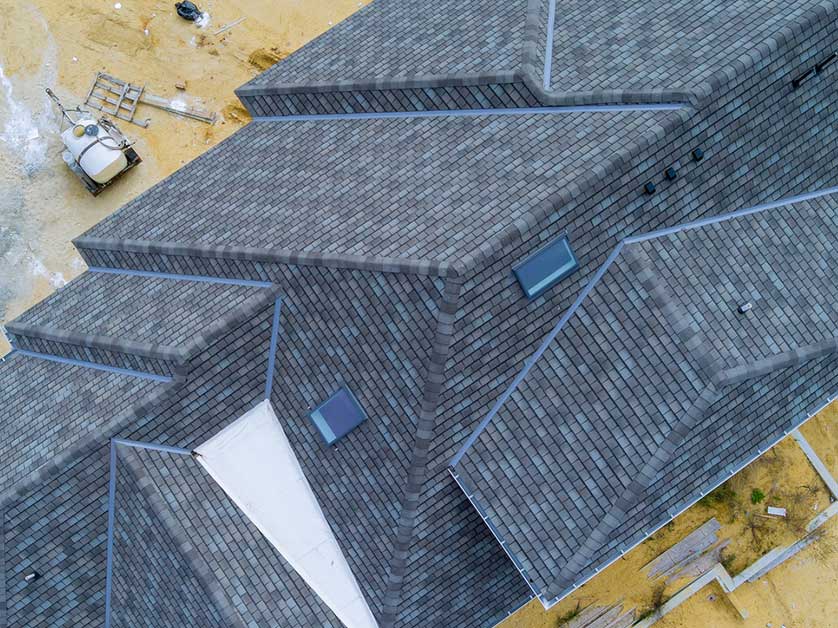
Choose the Right Roofing Contractor
Selecting the right team for your project has a major impact on your experience and results. Not all contractors are the same, some may focus primarily on speed and cost, while others emphasize craftsmanship and communication. When planning a roof installation, it is important to work with experienced professionals who understand local climate conditions and applicable building regulations. Request references and examples of past projects, and choose a contractor who values transparency. This approach helps prevent misunderstandings and ensures you have a partner who prioritizes your satisfaction from the initial consultation through project completion.
Plan Ahead and Clarify Your Project Scope
A smooth roofing project starts well before any shingles are removed. Meet with your contractor to discuss your priorities, such as improving protection against changing weather conditions, boosting curb appeal, or making your home more energy efficient. Clearly define what work will be performed beyond roofing, including possible window replacement or other exterior renovations. Finalizing design choices, color palettes, and materials well in advance helps limit confusion and costly last-minute changes. The more details you address early, the fewer surprises you are likely to encounter during the project.
Secure Permits and Prepare Your Home
Proper permitting is an important part of a roofing project. An experienced roofing company can help determine whether a municipal permit is required and assist with the necessary paperwork, helping prevent legal complications or work stoppages. Prepare your property by moving vehicles away from work zones, protecting landscaping, and removing valuable items from attics or upper-level rooms. Taking these steps helps keep both your family and the project team safe while minimizing disruptions to your routine.
Consider Seasonal Timing and Weather Conditions
Cold, snowy winters and warm, humid summers can make the timing of your roofing project important. When possible, scheduling roofing work during periods of milder weather can reduce the risk of weather-related delays and allow materials to be installed under suitable conditions. Experienced contractors understand how changing seasonal conditions can affect roofing work and can help you identify an appropriate time for your project, reducing unnecessary downtime and complications.
Coordinate Other Exterior Renovations for Efficiency
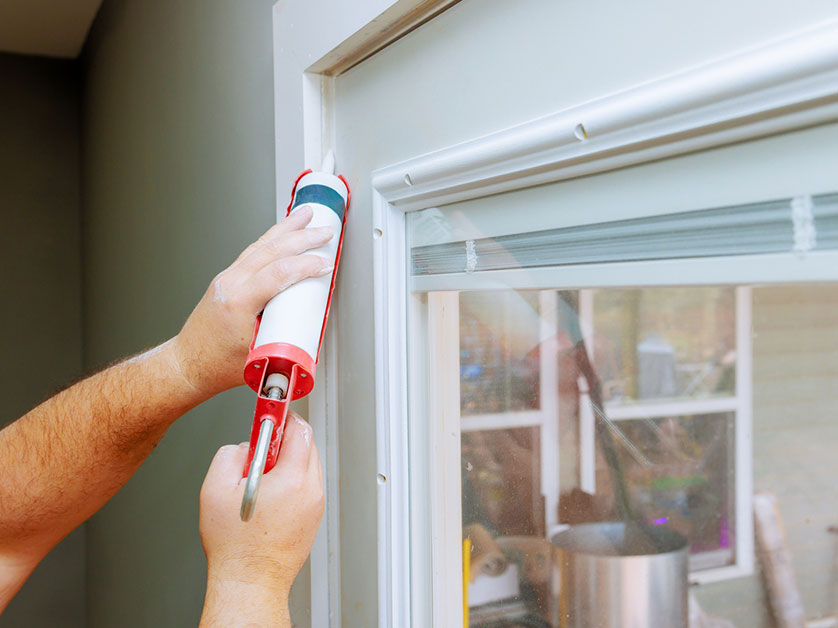
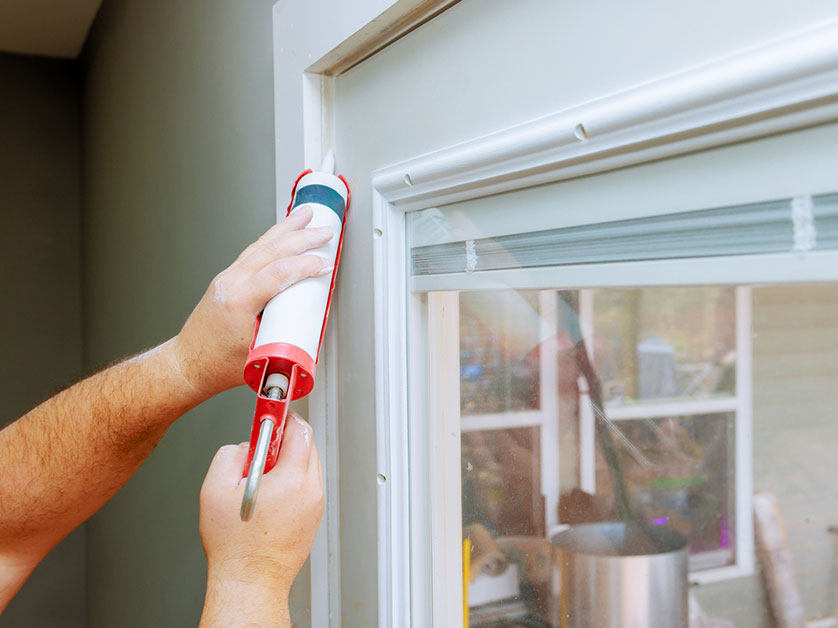
If you are investing in more than just a new roof, coordination is key. Projects such as window replacement or exterior painting should be timed so they do not interfere with roofing work or leave parts of your home vulnerable to the elements. Coordinating window replacement with a roofing project can also make it easier to plan multiple exterior improvements efficiently while supporting your goal of maintaining an energy efficient home. A contractor experienced in managing multiple aspects of a renovation can coordinate these improvements, helping reduce overall disruption and project time.
Set Aside a Contingency Budget
Even the most carefully planned roofing projects can uncover hidden issues, such as water damage, rotted decking, or outdated insulation. By setting aside an additional 10% to 20% of your budget for contingencies, you can be better prepared to cover unexpected needs without unnecessary stress or delays.
Get Started with Trusted Professionals in Whippany, NJ
A well-managed roofing project is an investment in your property’s value, efficiency, and long-term protection. If you are in Whippany, NJ, and considering a roof replacement or exploring other exterior renovations, Acorn Home Improvements, Inc. can help guide you through every step of the process. Contact our team to learn how we can help you plan and complete your roofing project while working toward a safer, more energy efficient home. Give us a call at (973) 386-9604 or fill out our contact form to get started.