Looking to boost your home’s energy efficiency or planning a renovation project? One decision with a lasting impact is choosing the right home insulation. Spray foam insulation has become a popular choice for homeowners because it provides reliable temperature control during both hot summers and cold winters. While this material offers outstanding performance in many respects, it is important to understand both its strengths and limitations before moving forward with installation.
How Spray Foam Insulation Works
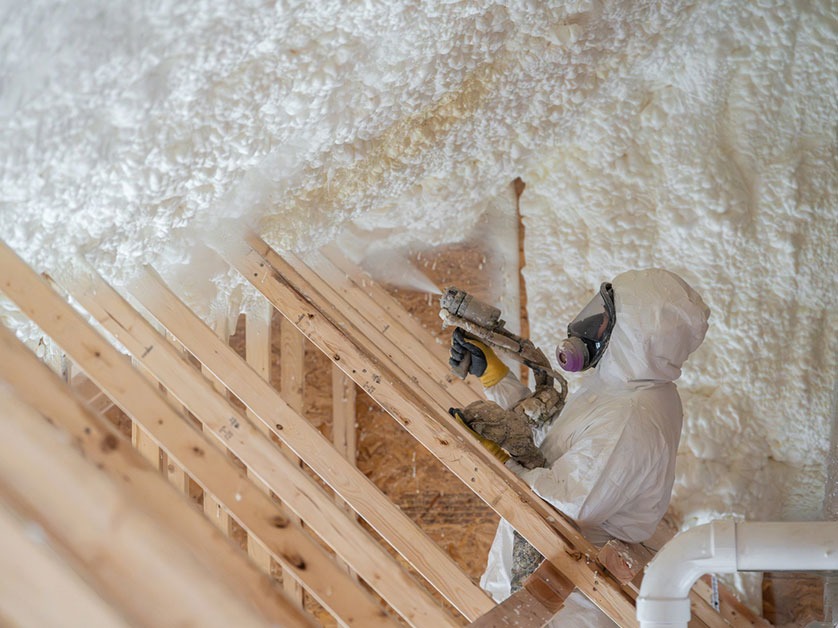
Spray foam insulation is a polyurethane material applied directly to surfaces as a liquid, which then expands to fill cracks and cavities. This creates a seamless barrier that controls air and moisture movement between indoor and outdoor spaces. Homeowners can choose between open-cell and closed-cell varieties. Open-cell foam is more flexible, making it suitable for interior walls, while closed-cell foam is denser and provides higher insulation values, making it ideal for exterior applications and more demanding environments.
Benefits of Spray Foam Insulation
Spray foam insulation offers several notable advantages:
- Outstanding Air Seal: Unlike traditional batts or blown-in insulation, spray foam fills even the smallest gaps around wires, plumbing, and framing, creating an effective air barrier that keeps outdoor air out and conditioned air inside.
- High R-Value: Closed-cell spray foam can achieve insulation values of up to R-7 per inch, providing superior performance in thinner applications compared to fiberglass or cellulose.
- Moisture Control: Closed-cell spray foam actively repels water, helping reduce the risk of mold growth.
- Long-Lasting Performance: Once installed, spray foam maintains its shape and insulating value for decades. Unlike some other products, it does not settle, degrade, or lose effectiveness over time.
- Sound Dampening: Open-cell spray foam can help reduce noise transmission between rooms, making it a good option for homeowners seeking additional privacy and comfort.
Many homeowners report that attics insulated with spray foam feel more comfortable year-round while helping reduce heating and cooling costs, making it a smart long-term investment.
Potential Drawbacks of Spray Foam Insulation
Despite its many advantages, there are several important considerations:
- Higher Initial Cost: Spray foam insulation typically costs more upfront than batt or blown-in insulation. However, these costs are often offset by energy savings and improved comfort over time.
- Professional Installation Required: Achieving a consistent seal and proper thickness requires experienced installers. Poor installation can result in cracking, shrinking, or missed areas, reducing performance. DIY installation is generally not recommended.
- Off-Gassing and Ventilation: During application, spray foam emits chemical odors and requires proper ventilation. When installed correctly, these odors usually dissipate within a day or two.
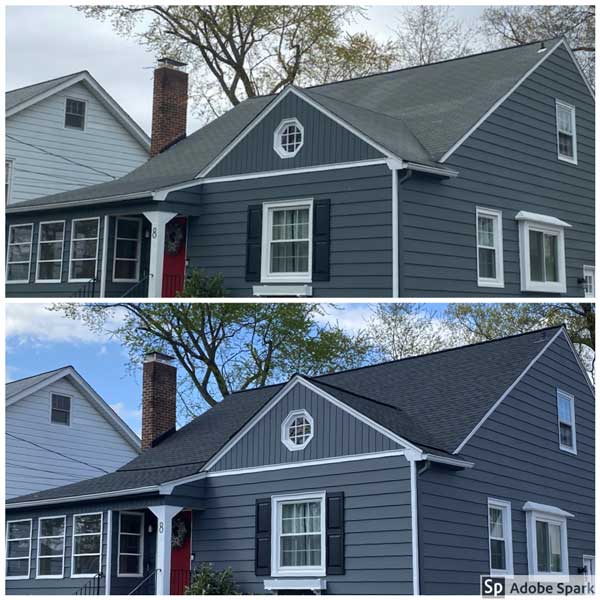
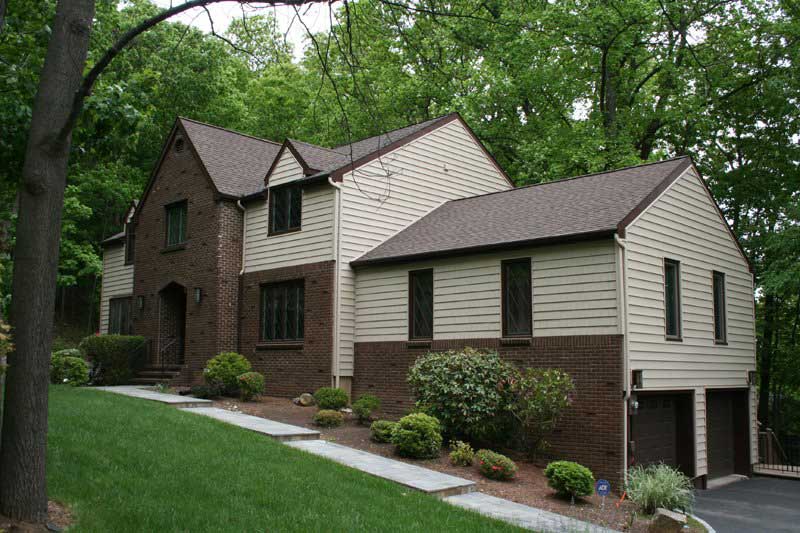
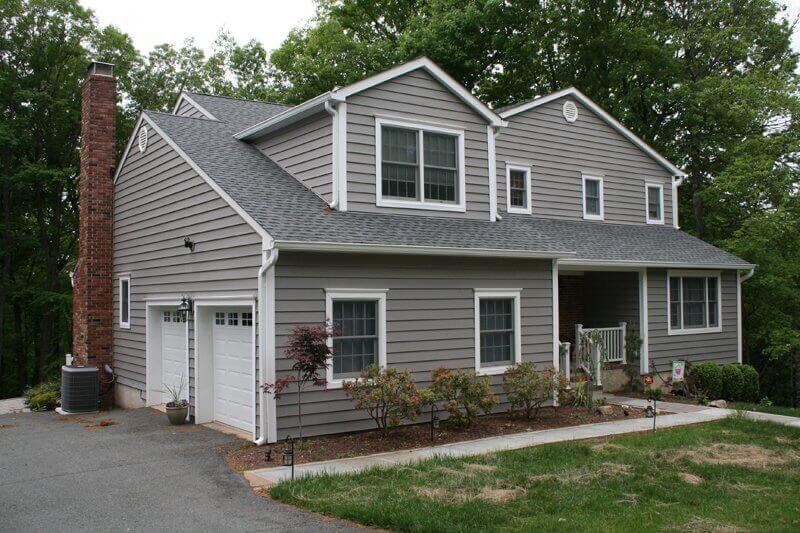
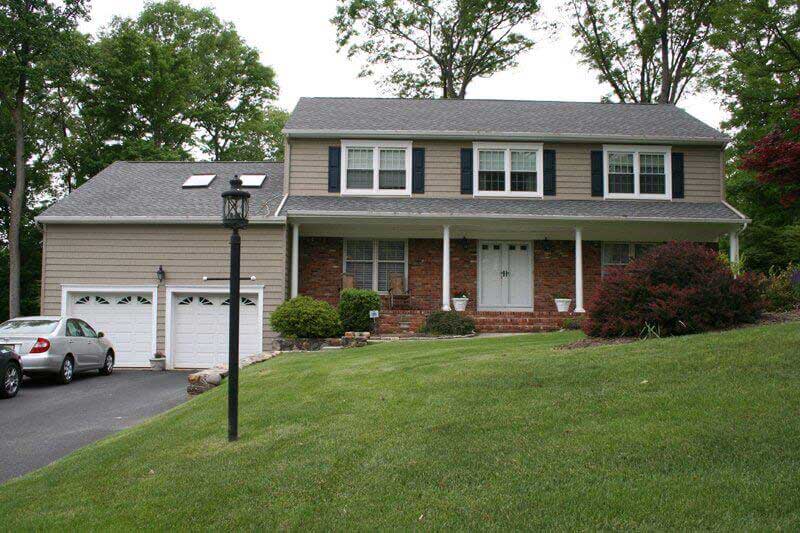
- Compatibility With Other Home Improvements: If you are planning a roof replacement or major siding installation project, it is important to coordinate insulation work accordingly. Spray foam adheres best to clean, dry surfaces and may complicate future renovations if not planned properly.
- Environmental Considerations: Some spray foam products use petroleum-based blowing agents. Although advancements have reduced environmental impacts, homeowners seeking greener alternatives may prefer materials such as cellulose.
When to Consider Spray Foam for Your Home
Spray foam insulation is an excellent option for homeowners seeking superior home insulation performance, particularly in homes with complex framing or where maximum energy savings are desired. It is especially effective in attics, crawl spaces, and rim joists, where air leaks are commonly found.
If you have concerns about moisture intrusion, excessive outdoor noise, or are already planning improvements such as a new roof or siding, spray foam can provide an additional layer of protection and efficiency. However, if budget limitations or environmental considerations are your primary concerns, it is important to discuss all available insulation options with your contractor before making a decision.
Contact Acorn Home Improvements, Inc. for Insulation Services in Whippany, NJ
Upgrading your insulation can improve comfort, increase property value, and help lower heating and cooling costs. For homeowners in Whippany, NJ, Acorn Home Improvements, Inc. offers expert guidance on spray foam insulation, along with specialized services for roof replacement, siding installation, and comprehensive home envelope improvements. Request a free assessment to determine whether spray foam is the right solution for your project and discover the long-term performance benefits it can provide. Give us a call at (973) 386-9604 or fill out our contact form to get started.